Comprehensive Guide to Machines Used in Construction: Features, Benefits & Applications

Get a Free Quote

Our representative will contact you soon.
Name
Email
Phone
Subject
Message
0/1000

machines used in construction

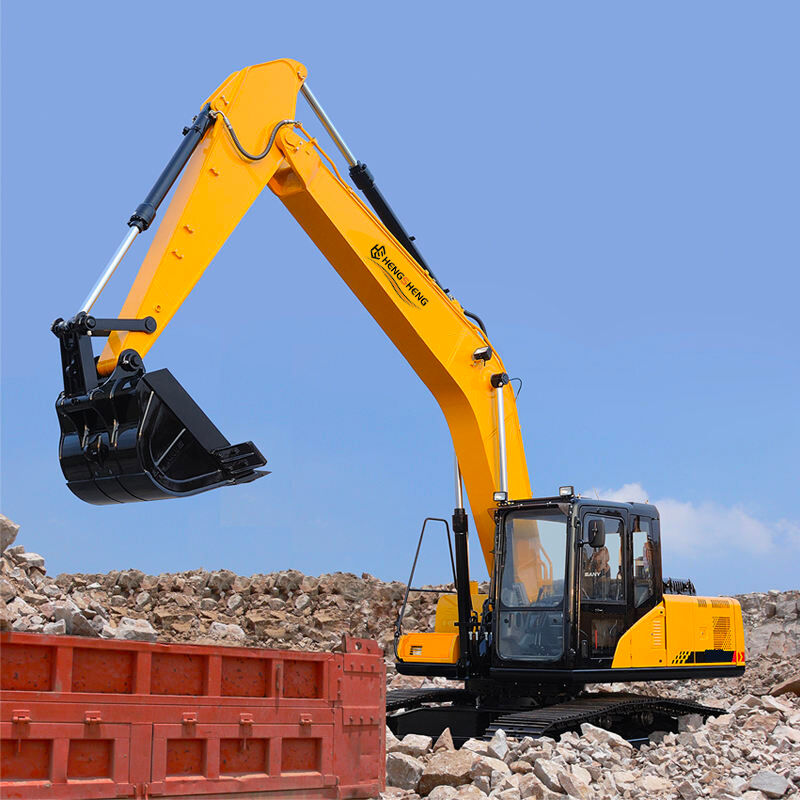
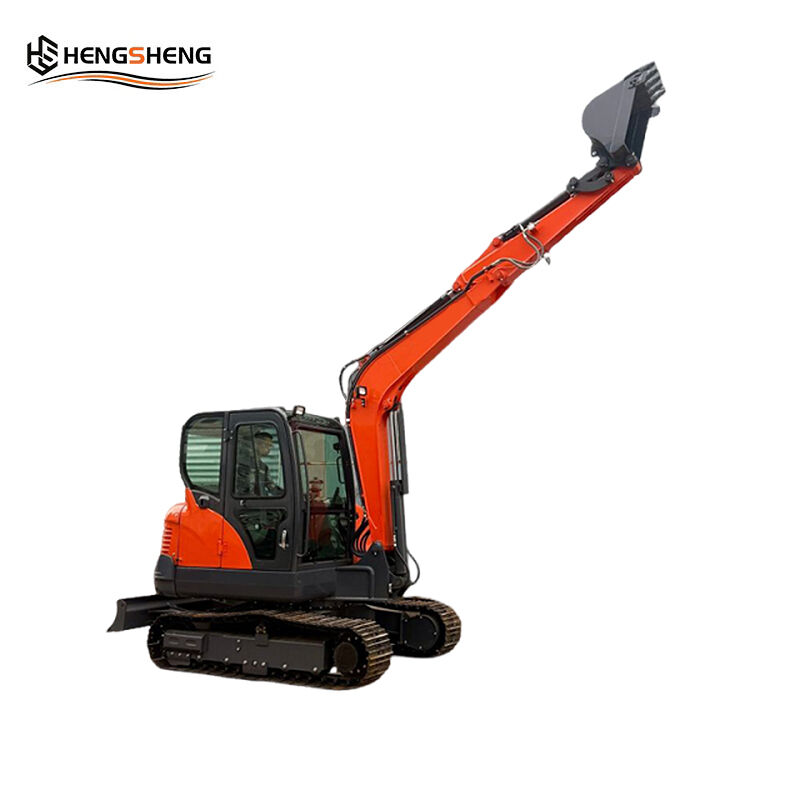
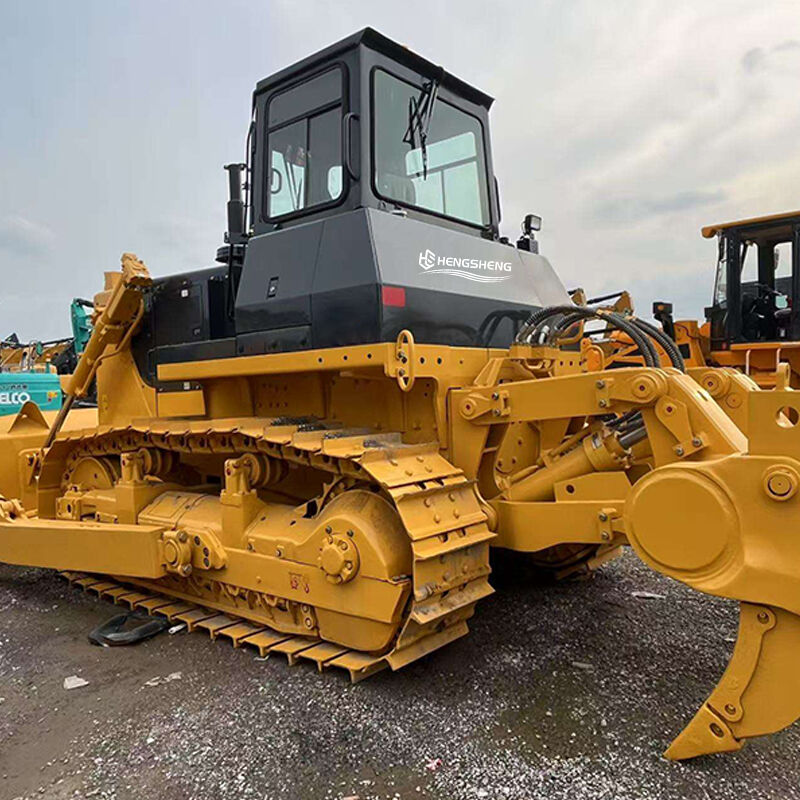
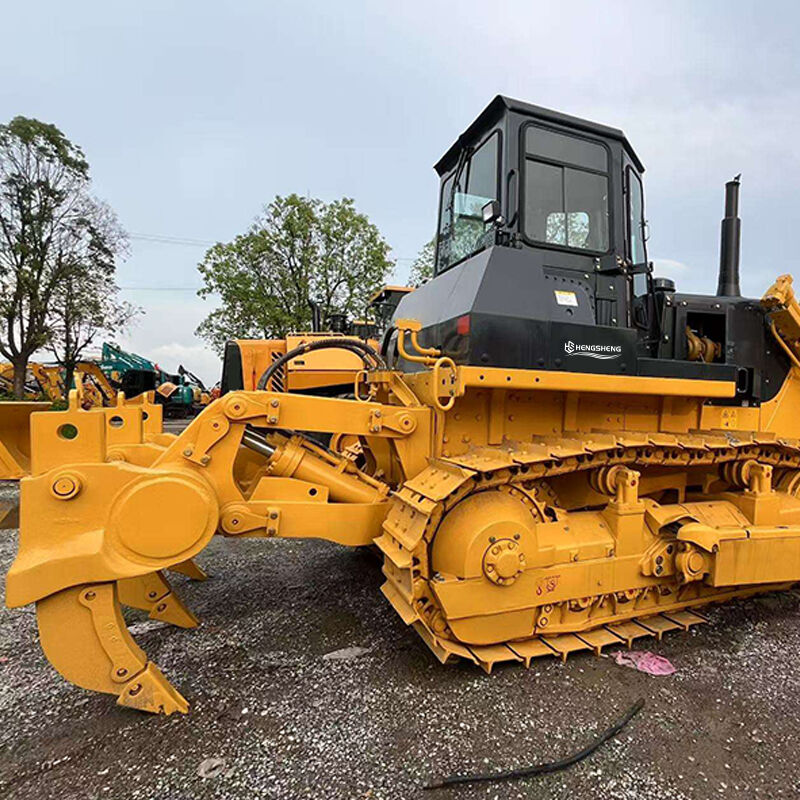
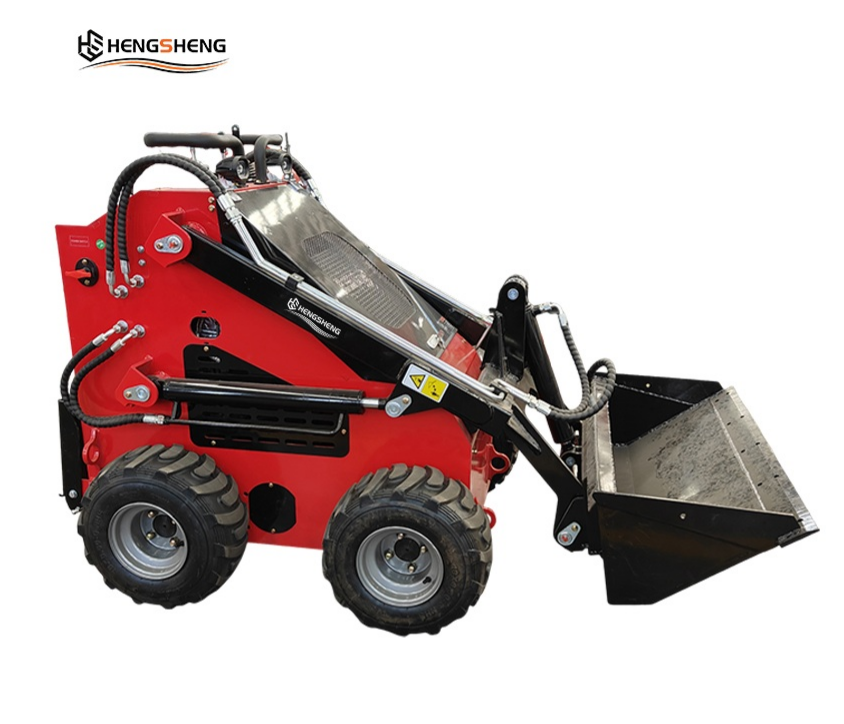
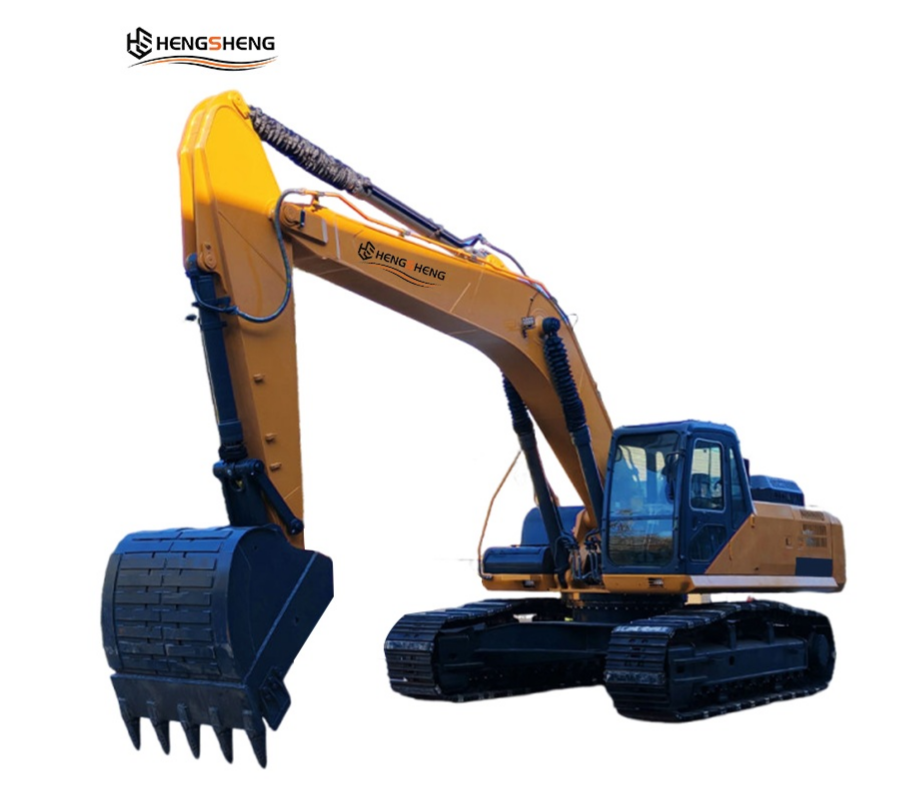
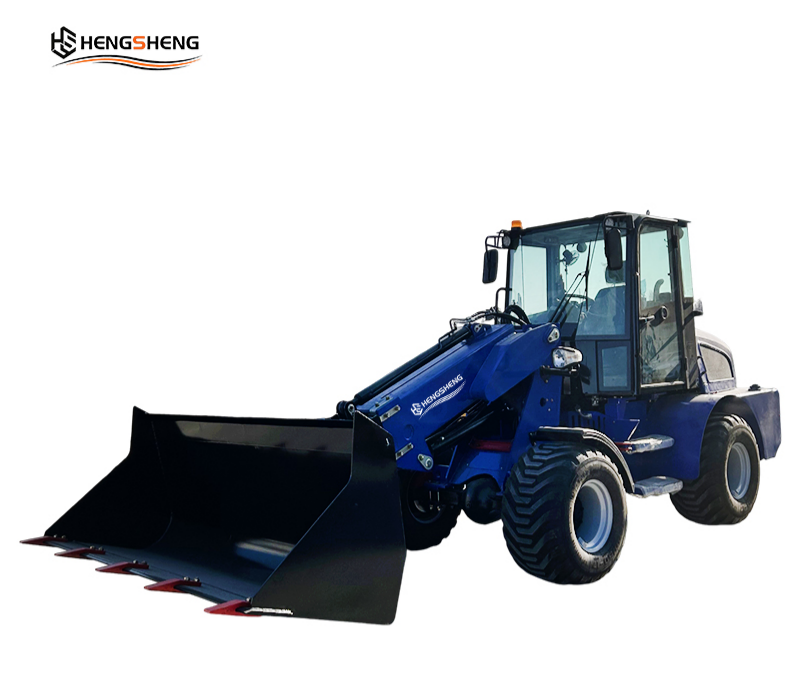
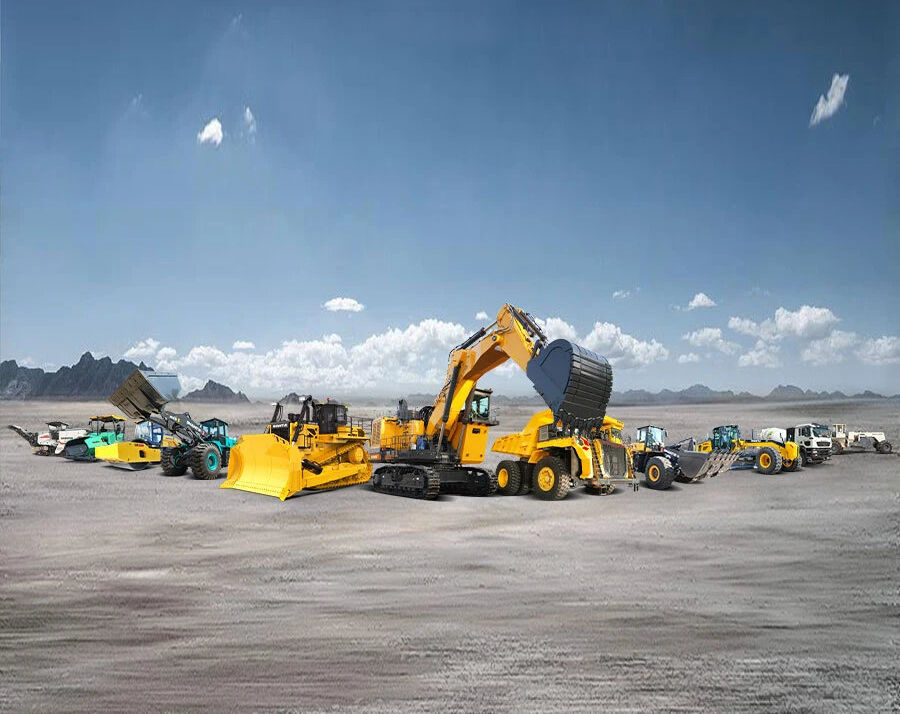
Construction sites today rely heavily on specialized equipment that transforms how buildings, roads, and infrastructure projects come to life. Machines used in construction represent a diverse category of heavy equipment designed to perform specific tasks that would be impossible or impractical using manual labor alone. These powerful tools range from excavators and bulldozers to cranes and concrete mixers, each serving distinct purposes throughout various project phases. The primary functions of machines used in construction include earthmoving, material handling, lifting, compacting, grading, and finishing work. Excavators dig trenches and foundations while bulldozers clear land and push materials across sites. Cranes lift heavy components to great heights, and loaders transport materials efficiently around work areas. The technological features incorporated into modern machines used in construction have evolved dramatically, incorporating GPS guidance systems, telematics for remote monitoring, automated controls, and fuel-efficient engines. These innovations enhance precision, reduce operational costs, and improve safety standards across construction projects. Applications for machines used in construction span residential developments, commercial buildings, highway construction, dam projects, mining operations, and urban infrastructure improvements. The versatility of these machines allows contractors to tackle projects of varying scales and complexities. Hydraulic systems provide the power needed for heavy lifting and digging operations, while advanced operator cabins offer comfort and visibility for extended work periods. Many machines used in construction now feature interchangeable attachments, transforming a single piece of equipment into multiple specialized tools. This adaptability maximizes investment value and reduces the need for multiple dedicated machines on site, making project execution more economical and efficient for construction companies of all sizes.

New Product Recommendations

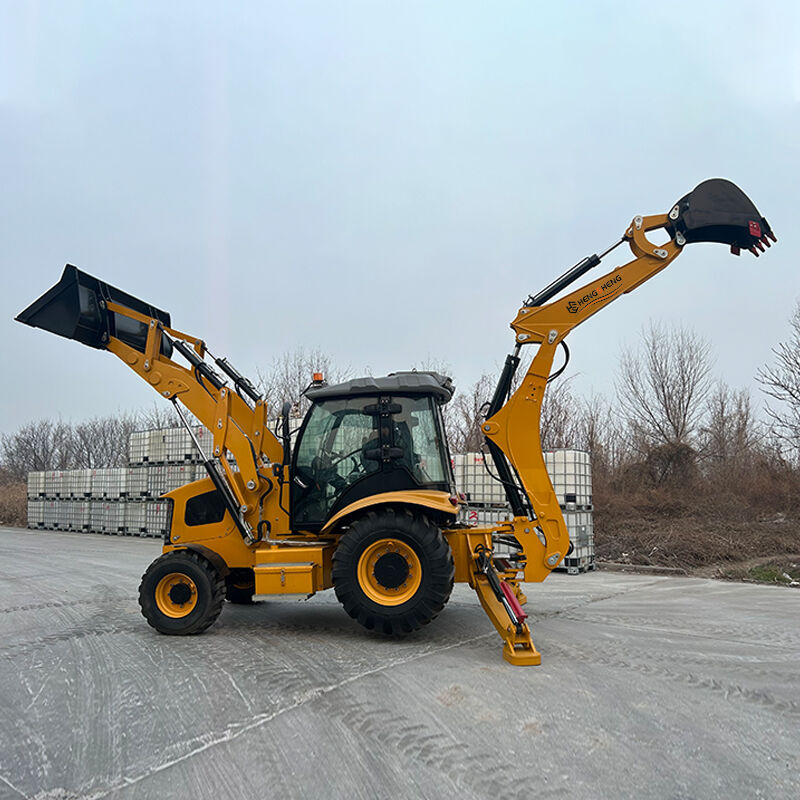
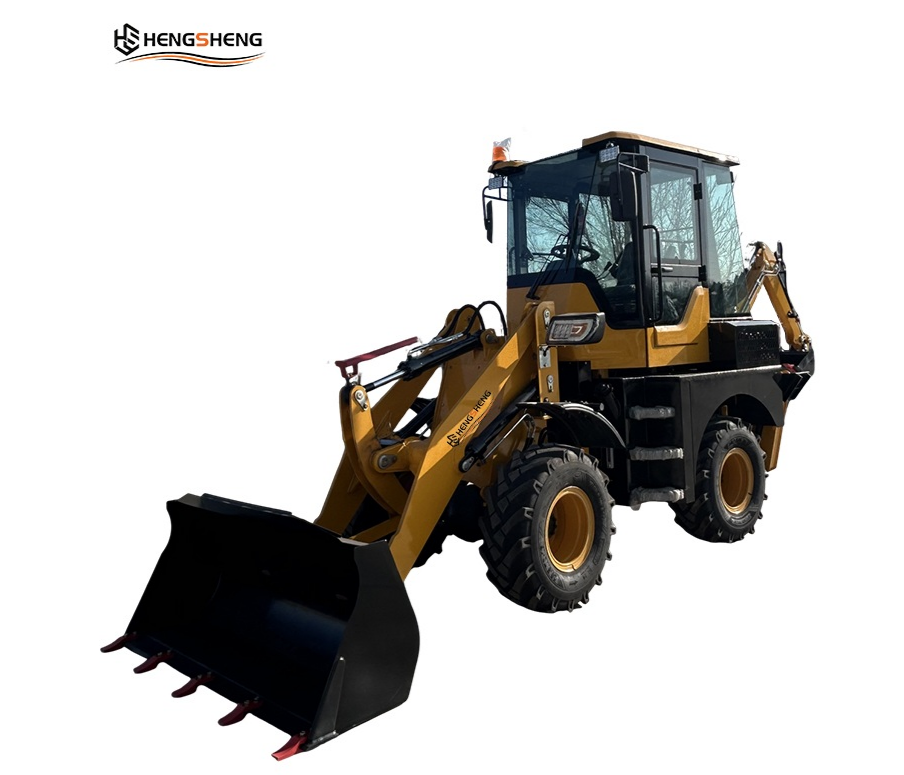
The benefits of utilizing machines used in construction extend far beyond simple mechanization, offering tangible advantages that directly impact your project timeline and bottom line. First and foremost, these machines dramatically increase productivity by accomplishing in hours what would take weeks with manual labor. A single excavator operated by one skilled person can move thousands of cubic yards of earth daily, replacing dozens of workers with shovels. This efficiency translates into faster project completion, allowing you to meet tight deadlines and move on to additional contracts sooner. Cost savings represent another significant advantage, as machines used in construction reduce labor expenses while maintaining consistent output regardless of weather conditions or time of day. The initial investment in equipment quickly pays for itself through reduced manpower requirements and increased operational capacity. Safety improvements constitute a critical benefit, as machines used in construction remove workers from hazardous situations involving heavy materials, deep excavations, and high elevations. Operators work from protected cabins with excellent visibility, and modern safety features like automatic shut-offs and stability monitors prevent accidents before they occur. Precision and quality also improve substantially when using machines used in construction, as computer-controlled systems ensure accurate grading, level foundations, and consistent material placement that manual methods cannot match. This precision reduces material waste and minimizes costly rework. Versatility adds tremendous value, with most machines used in construction accepting multiple attachments that expand their functionality without requiring additional equipment purchases. A backhoe loader can dig, lift, and grade using different attachments, making it suitable for diverse tasks throughout project phases. Environmental benefits emerge through modern fuel-efficient engines that reduce emissions and noise pollution compared to older equipment generations. Many machines used in construction now offer electric or hybrid power options that further minimize environmental impact while maintaining performance standards. Reliability has improved through advanced engineering and quality manufacturing processes, meaning machines used in construction experience less downtime and require fewer repairs, keeping your projects moving forward without frustrating delays that damage client relationships and profit margins.

Latest News

Blooming Global Trade: Hebei Hengsheng Heavy Industry Showcases Smart Construction Machinery Solutions at the 139th Canton Fair

26

May

Blooming Global Trade: Hebei Hengsheng Heavy Industry Showcases Smart Construction Machinery Solutions at the 139th Canton Fair

View More
Global Intelligence, Quality That Delivers: 2026 Heavy Machinery Industry Trends and the Rise of China’s Small Equipment Exports

26

May

Global Intelligence, Quality That Delivers: 2026 Heavy Machinery Industry Trends and the Rise of China’s Small Equipment Exports

View More
How engineering construction machinery Is Used in Different Construction Scenarios?

26

May

How engineering construction machinery Is Used in Different Construction Scenarios?

View More
What Is earthmoving equipment and How Does It Work on Job Sites?

29

May

What Is earthmoving equipment and How Does It Work on Job Sites?

View More

Get a Free Quote

Our representative will contact you soon.
Name
Email
Phone
Subject
Message
0/1000

machines used in construction

Enhanced Productivity Through Advanced Automation Systems

Enhanced Productivity Through Advanced Automation Systems

Modern machines used in construction incorporate sophisticated automation technologies that revolutionize worksite efficiency and output capacity. These automated systems include GPS-guided grading that allows bulldozers and motor graders to achieve precise elevations without constant manual adjustments, reducing operator fatigue while improving accuracy to within centimeters. The technology calculates optimal blade positions automatically, adjusting continuously as the machine moves across the terrain. This automation means projects reach completion faster with fewer passes, saving fuel costs and reducing equipment wear. Telematics systems integrated into machines used in construction provide real-time data on equipment location, fuel consumption, idle time, maintenance needs, and operational efficiency. Fleet managers can monitor multiple machines simultaneously from remote offices, identifying underutilized equipment and scheduling preventive maintenance before breakdowns occur. This predictive approach minimizes unexpected downtime that derails project schedules and creates costly delays. Load-sensing hydraulic systems represent another automation advancement in machines used in construction, automatically adjusting pump output to match the work being performed. When lifting lighter loads or performing less demanding tasks, the system reduces hydraulic flow, conserving fuel without sacrificing performance during heavy operations. This intelligent power management extends engine life while cutting operational expenses significantly over the equipment's service life. Automated bucket and blade controls on machines used in construction maintain consistent depths during excavation and grading operations, preventing over-digging that wastes time backfilling and correcting mistakes. Operators focus on overall machine positioning while automation handles fine adjustments, improving work quality and reducing the skill level required for certain tasks. This democratization of equipment operation expands your available labor pool and reduces training time for new operators. The productivity gains from automation in machines used in construction compound across large projects, where small efficiency improvements on individual tasks multiply into substantial time and cost savings that enhance competitive positioning and profitability for construction companies embracing these technological advancements.
Superior Safety Features Protecting Operators and Work Crews

Superior Safety Features Protecting Operators and Work Crews

Safety innovations integrated into machines used in construction have transformed jobsite risk management, protecting both equipment operators and ground personnel from the inherent dangers of construction work. Rollover protection structures, now standard on machines used in construction, create reinforced cages around operator stations that maintain survival space during tipping incidents that previously resulted in fatalities. These engineered frames absorb impact forces while preventing crushing injuries, giving operators crucial protection during equipment malfunctions or unstable ground conditions. Falling object protection systems add overhead guarding that shields operators from debris, rocks, or materials that might fall from elevated work areas or be dislodged during excavation activities. Rearview camera systems and proximity sensors on machines used in construction address blind spot hazards that historically caused backing accidents injuring or killing ground workers. Multiple cameras provide 360-degree visibility on display screens inside operator cabins, while audible and visual alarms activate when sensors detect personnel or obstacles in the machine's path. Some advanced machines used in construction feature automatic braking systems that halt movement when objects enter danger zones, preventing accidents even when operators are momentarily distracted. Ergonomic operator stations reduce fatigue-related errors by providing comfortable seating, intuitive control placement, climate-controlled environments, and excellent visibility through large glass panels. Reduced fatigue means operators maintain focus and reaction speed throughout long shifts, making better decisions that prevent accidents. Emergency shut-off systems on machines used in construction allow operators or ground personnel to immediately stop all machine functions during dangerous situations, cutting power to hydraulics and engines within seconds. These clearly marked controls are positioned for quick access both inside cabins and at ground level. Stability monitoring systems continuously analyze machine angle, load weight, and ground conditions, warning operators when approaching tipover thresholds and automatically limiting functions that could cause rollovers. For machines used in construction like cranes and aerial lifts, these systems prevent overloading and operation beyond safe parameters, protecting not only operators but also workers positioned below lifted loads who depend on equipment functioning within design limits.
Exceptional Versatility With Interchangeable Attachment Systems

Exceptional Versatility With Interchangeable Attachment Systems

The adaptability of machines used in construction through quick-change attachment systems delivers extraordinary value by transforming single machines into comprehensive tool fleets suitable for diverse applications. Hydraulic quick couplers allow operators to swap attachments in minutes without leaving the cab or using hand tools, converting excavators from digging machines to lifting devices, demolition tools, or precision grading equipment as project needs evolve. This flexibility means contractors require fewer specialized machines, reducing capital investment, transportation costs, maintenance expenses, and storage space requirements. A single excavator with various attachments can perform tasks previously requiring multiple dedicated machines, improving return on investment substantially. The range of available attachments for machines used in construction continues expanding, including hydraulic breakers for concrete demolition, augers for drilling holes, grapples for material handling, compactors for trench backfill, mowers for site clearing, and specialty buckets for different soil conditions. Each attachment is engineered specifically for its task, delivering professional results that general-purpose tools cannot match. Contractors can bid confidently on varied projects knowing their machines used in construction can adapt to whatever challenges arise, expanding business opportunities and revenue potential. The attachment versatility of machines used in construction also optimizes equipment utilization rates, keeping machines productive throughout project phases rather than sitting idle waiting for tasks matching their single function. During foundation work, excavators dig and place pipe; during structural phases, they lift materials and assist with steel placement; during finishing, they perform final grading and landscaping. This continuous productivity justifies equipment ownership costs and improves profitability on every project. Standardized mounting systems across equipment brands mean attachments from different manufacturers often work interchangeably, giving buyers options and preventing vendor lock-in that inflates long-term costs. The resale value of machines used in construction with attachment capabilities remains higher because subsequent owners inherit the same versatility benefits, making these machines easier to sell when upgrading fleets. Training operators on attachment changes and applications requires minimal time, as the host machine controls remain consistent while only the tool changes, maintaining operational continuity and safety standards across different applications and project types.