Heavy Earth Moving Machinery: Advanced Equipment for Excavation, Grading and Material Handling Projects

Get a Free Quote

Our representative will contact you soon.
Name
Email
Phone
Subject
Message
0/1000

heavy earth moving machinery

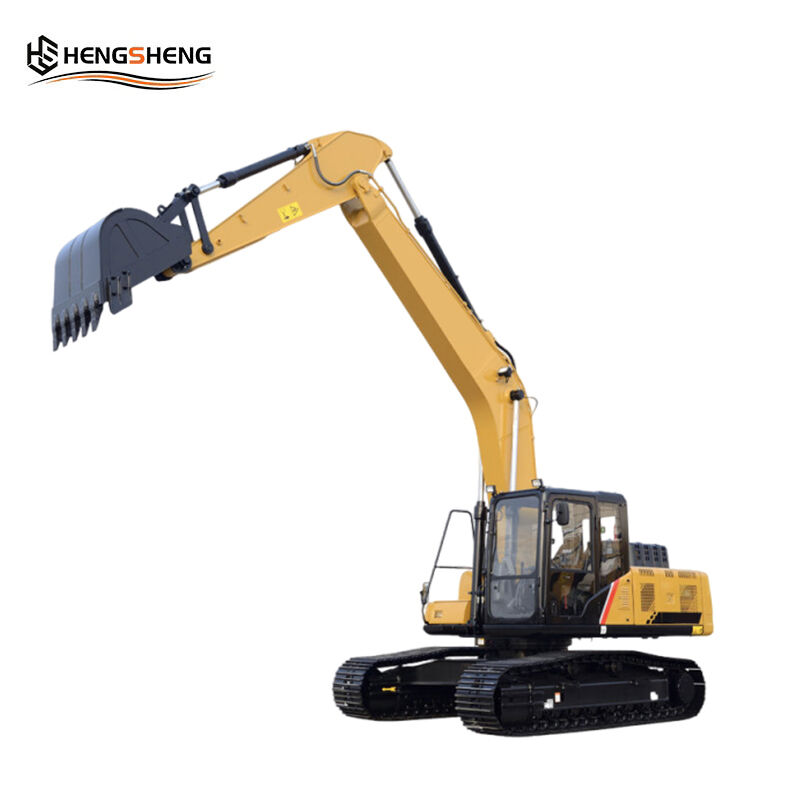
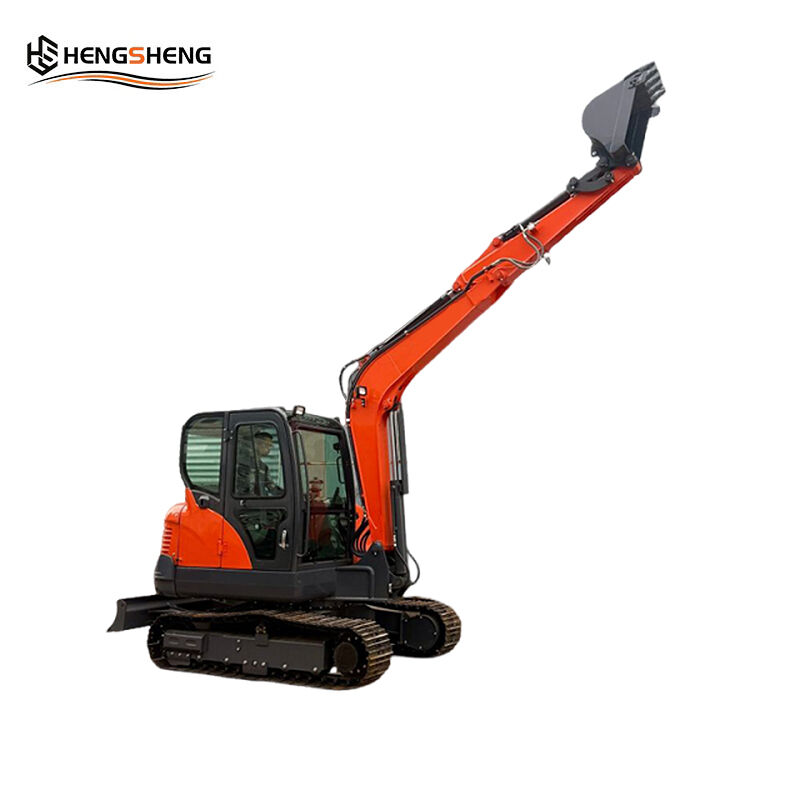
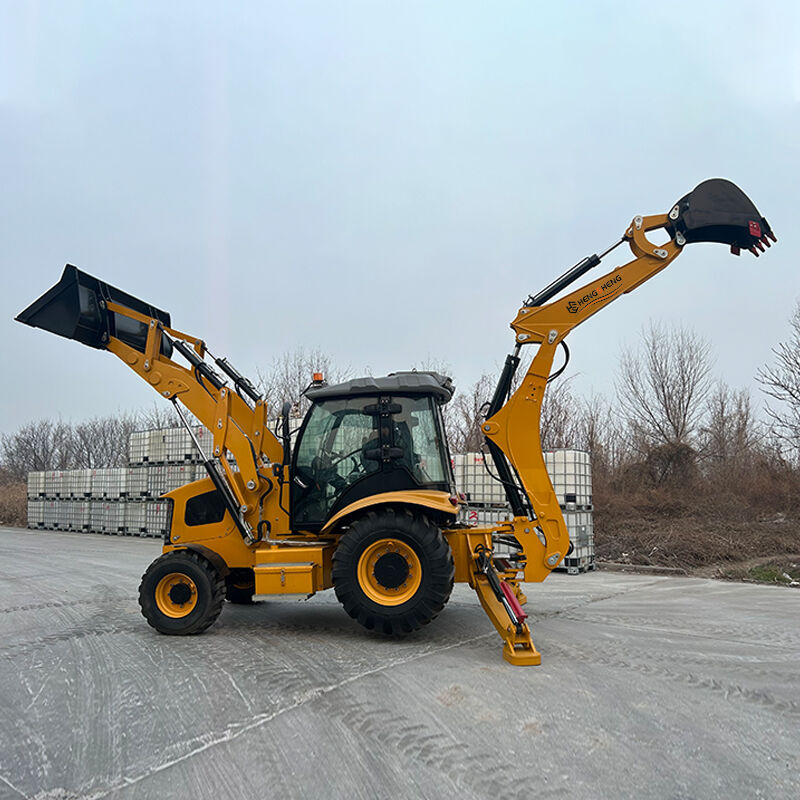
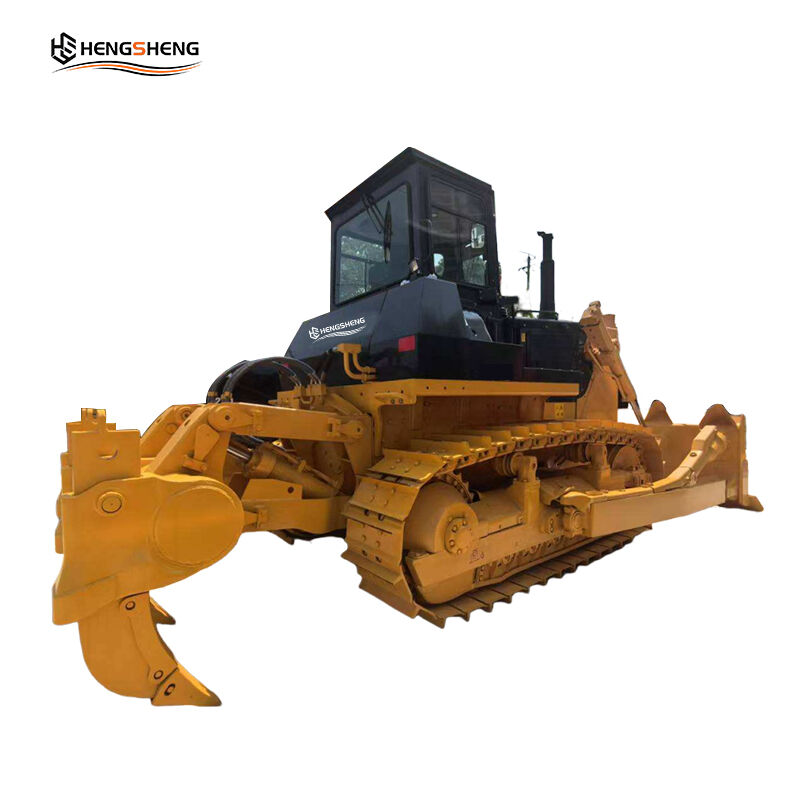
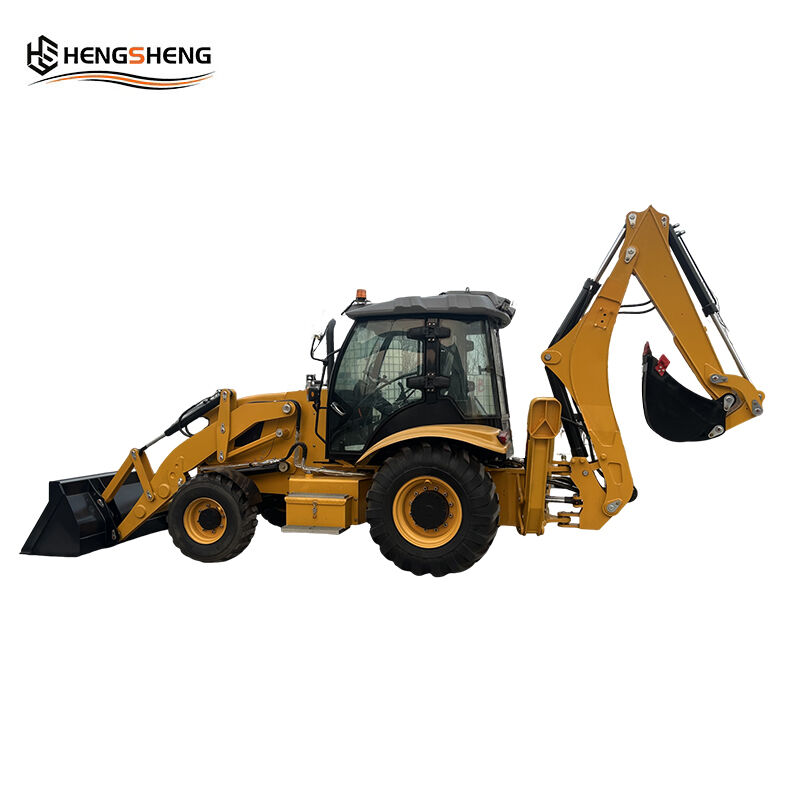
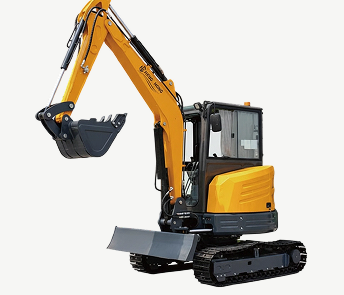
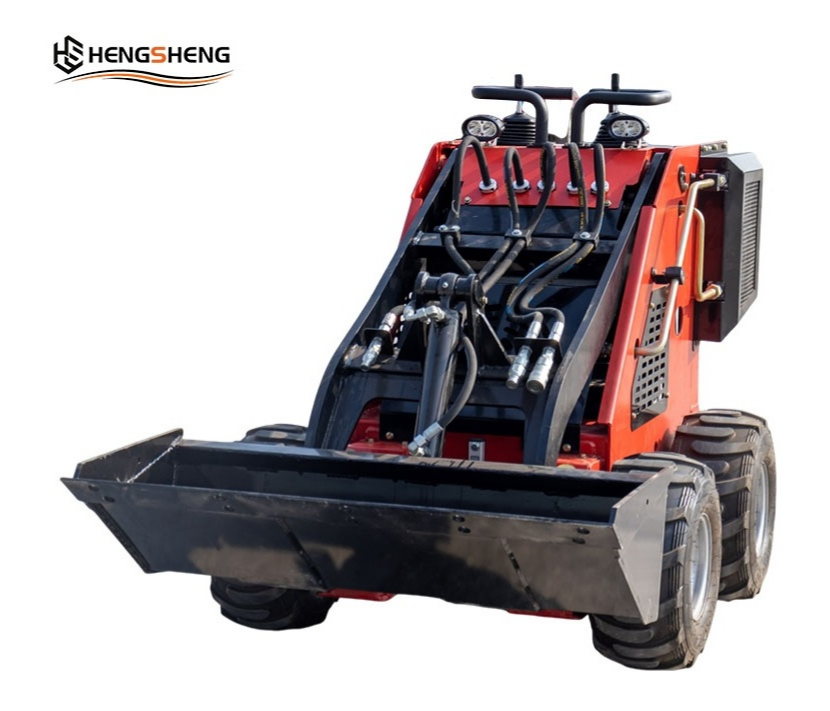
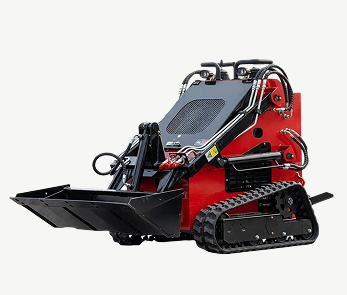
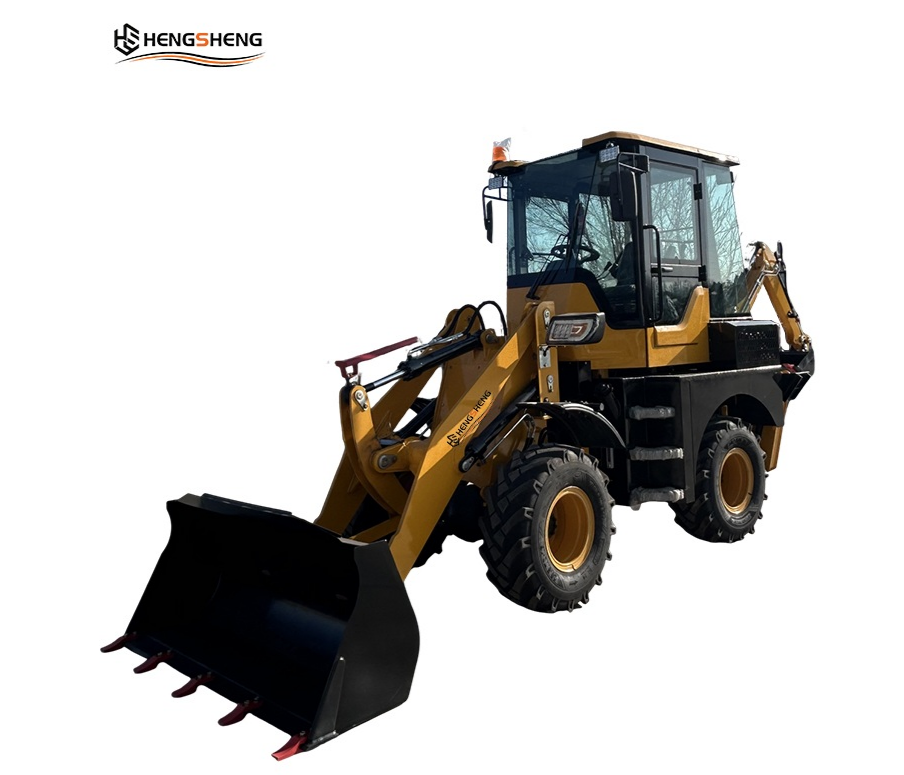
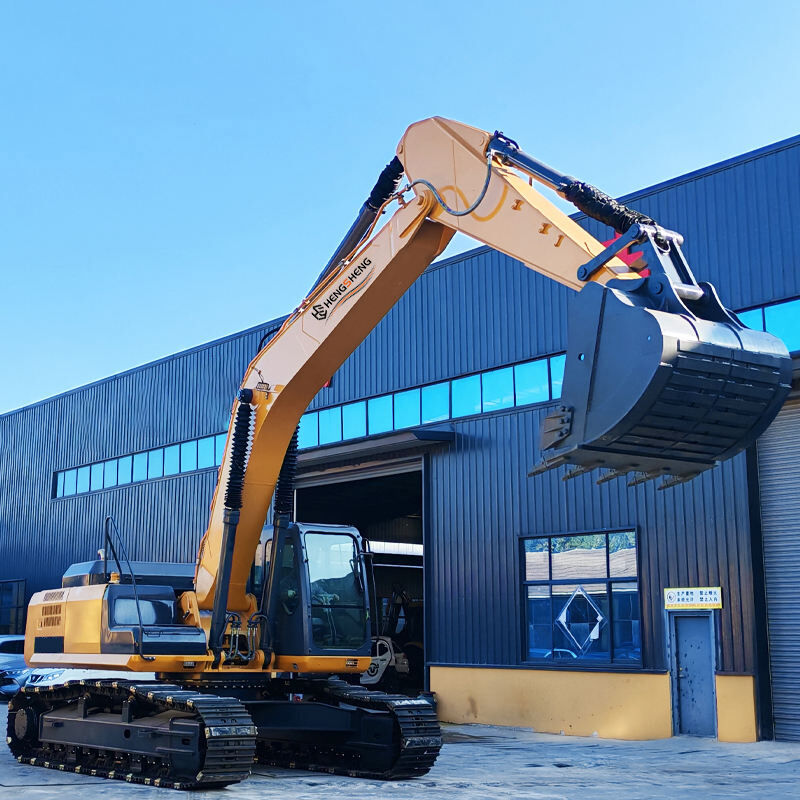
Heavy earth moving machinery represents a critical category of construction and mining equipment designed to handle large-scale excavation, material transportation, and land development projects. These powerful machines form the backbone of modern infrastructure development, enabling contractors and project managers to complete tasks that would be impossible through manual labor alone. The primary functions of heavy earth moving machinery include excavating soil and rock, loading materials onto transport vehicles, grading surfaces to precise specifications, and clearing land for construction projects. These versatile machines operate in diverse environments ranging from urban construction sites to remote mining operations, demonstrating their adaptability and essential role in industrial development. Technological features integrated into contemporary heavy earth moving machinery have evolved significantly, incorporating advanced hydraulic systems that deliver exceptional digging force while maintaining fuel efficiency. Modern equipment includes GPS-guided grading systems that ensure accuracy within millimeters, reducing material waste and project timelines. Operators benefit from climate-controlled cabins with ergonomic controls, reducing fatigue during extended work shifts. Engine management systems automatically adjust power output based on load requirements, optimizing fuel consumption without sacrificing performance. Applications for heavy earth moving machinery span numerous industries including construction, mining, agriculture, forestry, and infrastructure maintenance. In construction, these machines prepare building foundations, excavate basements, and create roadbeds. Mining operations rely on heavy earth moving machinery to remove overburden and extract valuable minerals. Agricultural applications include land leveling for irrigation systems and creating storage ponds. The versatility of heavy earth moving machinery makes it indispensable for projects requiring efficient movement of large material volumes, whether excavating hard rock formations or transporting loose soil across challenging terrain.

New Product Recommendations

Investing in heavy earth moving machinery delivers tangible benefits that directly impact your project profitability and completion timelines. These machines dramatically reduce labor costs by accomplishing in hours what manual crews would require days or weeks to complete. A single piece of heavy earth moving machinery operated by one skilled worker replaces dozens of laborers, eliminating the logistical challenges of managing large crews while maintaining consistent productivity regardless of weather conditions or project duration. The speed advantage translates directly to faster project completion, allowing you to take on more contracts annually and improve cash flow. Modern heavy earth moving machinery achieves productivity rates that traditional methods cannot match, moving hundreds of cubic yards of material per hour with precision and reliability. This efficiency becomes particularly valuable on time-sensitive projects where delays trigger financial penalties or miss critical weather windows. Safety improvements represent another significant advantage, as heavy earth moving machinery removes workers from hazardous manual excavation tasks that risk cave-ins, repetitive strain injuries, and exposure to extreme weather. Enclosed operator cabins protect workers from falling debris, dust, and noise while providing excellent visibility of the work area. Advanced safety features including backup cameras, proximity sensors, and automatic shutdown systems further reduce accident risks, protecting both operators and ground personnel. The precision capabilities of heavy earth moving machinery ensure project specifications are met consistently, reducing costly rework and material waste. GPS-guided systems enable operators to achieve exact grades and depths, eliminating the guesswork associated with manual measurements. This accuracy proves especially valuable for projects requiring specific drainage slopes, foundation depths, or contour matching. Fuel efficiency has improved dramatically in recent generations of heavy earth moving machinery, with modern engines consuming significantly less diesel while producing greater power output. Advanced hydraulic systems recover energy during machine movements, reducing overall fuel consumption and lowering operating costs. These efficiency gains compound over the machine's service life, generating substantial savings that improve your competitive position when bidding future projects. Versatility extends the value proposition further, as attachments and accessories transform heavy earth moving machinery to handle diverse tasks without requiring multiple specialized machines. Quick-connect systems allow operators to switch between buckets, rippers, and other tools in minutes, maximizing equipment utilization across different project phases and job types.

Practical Tips

Unite for Growth, Build the Future: Hebei Hengsheng Heavy Machinery Successfully Holds Its 2026 Annual Gala

26

May

Unite for Growth, Build the Future: Hebei Hengsheng Heavy Machinery Successfully Holds Its 2026 Annual Gala

View More
Why engineering construction machinery Is Essential for Modern Construction Sites?

26

May

Why engineering construction machinery Is Essential for Modern Construction Sites?

View More
How engineering construction machinery Supports Large Scale Infrastructure Development?

26

May

How engineering construction machinery Supports Large Scale Infrastructure Development?

View More
What Is earthmoving equipment and How Does It Work on Job Sites?

29

May

What Is earthmoving equipment and How Does It Work on Job Sites?

View More

Get a Free Quote

Our representative will contact you soon.
Name
Email
Phone
Subject
Message
0/1000

heavy earth moving machinery

Unmatched Productivity Through Advanced Hydraulic Systems

Unmatched Productivity Through Advanced Hydraulic Systems

The hydraulic systems powering modern heavy earth moving machinery represent a quantum leap in excavation and material handling capability, delivering force levels that redefine what single machines can accomplish on demanding job sites. These sophisticated systems generate digging forces exceeding 50,000 pounds at the bucket edge, enabling operators to penetrate compacted soils, fractured rock, and challenging substrates that would stall lesser equipment. The engineering behind these hydraulic systems incorporates variable displacement pumps that automatically adjust fluid flow based on load requirements, ensuring maximum power availability when breaking through hard materials while reducing energy consumption during light-duty operations. This intelligent power management extends component life by preventing unnecessary stress on hydraulic cylinders, hoses, and seals, reducing maintenance costs and maximizing equipment availability. Operators working with heavy earth moving machinery equipped with advanced hydraulic systems report significant productivity improvements compared to older equipment generations. The increased breakout force allows penetration of difficult materials without requiring pre-loosening through ripping or blasting, eliminating process steps that add time and expense to excavation projects. Faster cycle times result from the higher hydraulic flow rates that extend and retract cylinders more quickly, reducing the seconds required for each bucket load and multiplying productivity over the course of a work shift. These seemingly small time savings accumulate to substantial differences in daily output, potentially increasing material moved by twenty to thirty percent compared to previous-generation machines. The reliability of modern hydraulic systems in heavy earth moving machinery has improved through better filtration, heat management, and component quality, reducing unplanned downtime that disrupts project schedules. Contamination control systems filter hydraulic fluid to remove particles that cause premature wear, while oil coolers maintain optimal operating temperatures even during intensive work cycles. Seal technology has advanced to prevent leaks that waste expensive hydraulic fluid and create environmental concerns, with many systems now incorporating condition monitoring that alerts operators to developing issues before they cause failures.
Operator Comfort and Control for Maximum Efficiency

Operator Comfort and Control for Maximum Efficiency

The operator environment within modern heavy earth moving machinery has evolved from basic weather protection to sophisticated workspaces that enhance productivity through superior comfort, visibility, and intuitive controls. Recognition that operator fatigue directly impacts productivity and safety has driven manufacturers to design cabins that reduce physical and mental strain during extended shifts. Climate control systems maintain comfortable temperatures regardless of external conditions, with heating and air conditioning capacities sized to handle extreme environments from desert heat to Arctic cold. This temperature regulation prevents the concentration lapses and physical discomfort that occur when operators work in poorly controlled environments, maintaining consistent productivity throughout the workday. Visibility represents a critical safety and efficiency factor in heavy earth moving machinery operation, with modern cab designs incorporating expansive glass areas that provide unobstructed views of the work area, bucket position, and surrounding personnel. Slim pillars and strategically positioned mirrors eliminate blind spots that previously required operators to rely on ground spotters for certain maneuvers, improving cycle times and reducing coordination delays. Camera systems supplement direct visibility with multiple views displayed on in-cab monitors, showing areas behind and beside the machine that would otherwise remain hidden from the operator's position. These visual aids prove especially valuable when working in congested sites or around other equipment where situational awareness prevents costly accidents. Ergonomic control design in heavy earth moving machinery reduces operator fatigue by positioning joysticks, pedals, and switches within easy reach without requiring awkward postures or excessive force. Armrests support the operator's weight during control movements, preventing the shoulder and arm fatigue that occurs with unsupported operation. Control response characteristics have been refined to provide smooth, predictable machine movements that reduce the constant corrections required with overly sensitive or sluggish systems, making operation less mentally taxing and more precise. Noise suppression technology isolates the operator cabin from engine and hydraulic sounds that previously required hearing protection and caused communication difficulties, with sound levels in modern heavy earth moving machinery often below conversational levels despite the powerful systems operating mere feet away.
Fuel Efficiency That Reduces Operating Costs

Fuel Efficiency That Reduces Operating Costs

Fuel consumption represents one of the largest operating expenses for heavy earth moving machinery, making the efficiency improvements in modern equipment a compelling financial advantage that impacts project profitability throughout the machine's service life. Advanced engine management systems continuously monitor dozens of parameters including load demand, hydraulic pressure requirements, engine temperature, and altitude, adjusting fuel injection timing and quantity to deliver exactly the power needed for current conditions. This precision fueling eliminates the waste inherent in fixed-output engines that burn fuel maintaining unnecessary power levels during light-duty operations or idle periods. The savings compound dramatically over thousands of operating hours, with efficient heavy earth moving machinery consuming twenty to thirty percent less fuel than older equipment performing identical work. Automatic idle shutdown features further reduce consumption by stopping the engine after preset periods of inactivity, eliminating fuel waste during breaks, loading delays, or coordination pauses. Operators can configure shutdown timers based on site conditions and workflow patterns, balancing fuel savings against the convenience of immediate availability. Quick restart capabilities ensure heavy earth moving machinery returns to full operation within seconds when work resumes, preventing productivity losses that would negate fuel savings. Hybrid power systems are emerging in heavy earth moving machinery, incorporating energy storage that captures power during deceleration and descent movements for reuse during subsequent work cycles. These regenerative systems reduce the engine load required for hydraulic operations, cutting fuel consumption while maintaining the performance contractors demand. Although hybrid heavy earth moving machinery currently represents a premium investment, the fuel savings often justify the additional cost on high-utilization machines, particularly in regions with expensive diesel prices or projects with environmental reporting requirements. Engine durability has improved alongside efficiency, with modern heavy earth moving machinery powerplants engineered for longer service intervals and extended overhaul lives. Better combustion control reduces carbon buildup and cylinder wear, while improved lubrication systems protect critical components from premature failure. These durability improvements reduce the total cost of ownership by extending the productive life of heavy earth moving machinery and decreasing the frequency of expensive rebuilds that remove equipment from revenue-generating service.